
 Photo 1 of 2
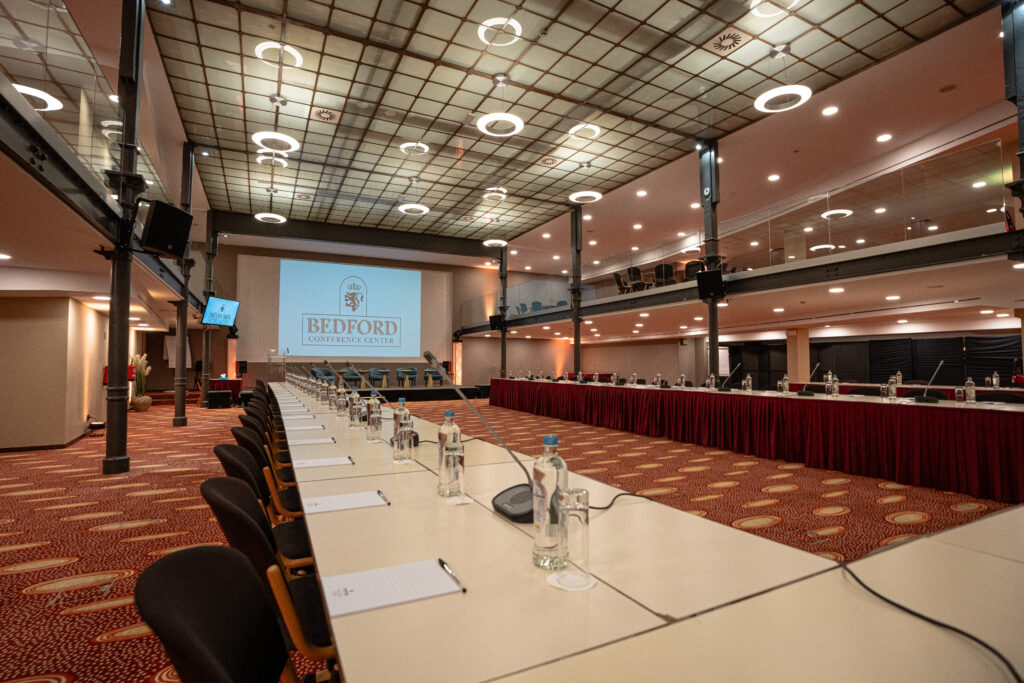
Bedford Conference Center
Brussels, Belgium
- Max. capacity
- 650 people
- Meeting spaces
- 9
- Largest room
- 805 m²
- Ballroom area
- 805 m²
High-speed Wi-FiHigh-Performance ProjectorsBuilt-in Sound Systems+4 more
“The Heart of Europe”
Western Europe, Belgium · Brussels
Largest recorded capacity
2,500 people
Hotel rooms
19,500
Venues listed
193
Airport
BRU
Recorded capacity, not availability. Confirm your layout and accommodation block for your dates.
Destination scorecard
Destinaitor dataHow Brussels rates across the dimensions that shape an event decision (out of 100).
Brussels scores highly on connectivity for business travelers. Air Connectivity (23/25): Brussels Airport (BRU) is a major European hub with direct flights to major cities worldwide, handling 25+ million passengers annually, plus Charleroi Airport (CRL) for budget carriers. Regional and National Ground Connectivity (24/25): Exceptional train connectivity with high-speed services (Eurostar, Thalys) to London, Paris, Amsterdam, and Cologne, plus excellent domestic rail coverage. Alternative Transport Modes (22/25): Comprehensive public transport (metro, tram, bus) throughout the city, plus bike/scooter sharing services and ridesharing options. Quality of Transport Hubs (23/25): Major train stations (Brussels South, Central, North) are well-maintained with good facilities and accessibility features, while Brussels Airport offers efficient city connections via 20-minute train service.
How they're improving
Brussels scores 88/100 on Sustainable and Eco-Friendly Business Travel. Sustainable Infrastructure and Green Buildings (27/30): Brussels demonstrates exceptional commitment with venues like Brussels Expo and Square Brussels Meeting Centre holding ISO 20121 and Green Key certifications, featuring energy-efficient systems, renewable energy sources, and waste reduction programs. Hotels and venues participate in circular economy initiatives with EU Ecolabel and EMAS certifications. Major retrofits incorporate renewable energy systems, water conservation technologies, and circular economy principles. The city's urban greening projects and historic building renovations with energy-efficient technologies further strengthen this criterion. Eco-friendly Event and Business Services (24/25): The city excels through visit.brussels' 'Sustainable Meetings' program promoting carbon offsetting, local and organic catering, digital documentation, and sustainable transportation. Brussels provides certified sustainable suppliers, zero-waste catering options, and green building certified venues. The Brussels Green Deal supports carbon footprint reduction, while tools help measure and minimize environmental impact. State-of-the-art technology supports hybrid events, reducing travel-related emissions. Community and Economic Impact Programs (23/25): Strong local supplier engagement policies require working with Brussels-based caterers, venues, and service providers. The 'Brussels Meeting Hub' connects international events with local businesses and innovation clusters. Sustainable procurement policies support SMEs, while legacy programs include charitable activities, skills workshops for youth, and partnerships with local NGOs and social enterprises. Tourism revenues reinvest in community infrastructure, public spaces, and cultural programs across diverse districts. Long-term Sustainability Investments (14/20): Brussels shows solid commitment with carbon-neutral goals for 2050, extensive green mobility investments including metro expansion, cycling infrastructure, and low-emission zones. Smart city initiatives and high-speed digital infrastructure support resource optimization. Urban regeneration projects at Tour & Taxis and Canal Zone create sustainable mixed-use spaces. Grants and procurement policies prioritize environmentally responsible suppliers, though more specific long-term strategic frameworks could strengthen this area.
How they're improving
Quality and Extent of Pedestrian Infrastructure (25%): 23/25 - Brussels demonstrates excellent pedestrian infrastructure with well-maintained sidewalks, clearly marked crossings, extensive pedestrianized zones, wide pavements, tactile paving for visually impaired visitors, accessible curb cuts, and well-signed walking routes. Minor deduction for cobblestone streets in historic areas that may present challenges for mobility devices. Integration of Public Transportation with Pedestrian Routes (25%): 22/25 - The metro and tram systems increasingly feature accessible stations and low-floor vehicles with good integration to pedestrian areas. However, some older stations present challenges, preventing a perfect score. The city shows strong commitment to accessible transportation routes. Availability and Convenience of Mobility Services (25%): 20/25 - While the text mentions excellent transport infrastructure and licensed transportation services, there is limited specific information about bike-sharing, scooters, or other micro-mobility services availability and convenience. Score reflects good general mobility options but lacks detailed evidence of comprehensive micro-mobility integration. Compactness and Ease of Access between Key Points (25%): 24/25 - Brussels excels with its compact city center, relatively flat terrain in central areas, pedestrian-friendly zones around Grand Place, and easy walking access between venues, hotels, restaurants, convention centers like Brussels Expo, and business districts. The strategic central location and well-connected infrastructure support excellent accessibility between key business points.
How they're improving
Brussels scores well on inclusive and accessible business tourism. Accessibility of Physical Infrastructure (22/25): The city has wide sidewalks, accessible crossings, and pedestrian-friendly urban layout, though some historic sites have limited accessibility due to cobblestone streets and some older metro stations need improvements. Inclusivity Policies and Practices (21/25): Public transportation is increasingly accessible with low-floor access, ramps, priority seating, and audio-visual announcements. Specialized transport services and accessible taxis are available. Provision of Information and Support Services (20/25): Brussels Airport provides comprehensive assistance for passengers with disabilities, including wheelchair assistance, accessible restrooms, and priority screening. Business-friendly Services for Visitors with Special Needs (22/25): Most hotels, conference centers, and business venues comply with EU accessibility regulations, offering step-free entrances, accessible guest rooms, assistive listening devices, and elevators. Major venues like SQUARE Brussels Meeting Centre and Tour & Taxis are highlighted for their accessibility features.
How they're improving
While Brussels demonstrates strong accessibility performance with a score of 82/100, the main improvement area lies in addressing legacy infrastructure gaps and enhancing digital accessibility tools to achieve world-class inclusive business tourism standards. Accelerate Accessibility Upgrades for Older Public Infrastructure: Prioritize retrofitting older metro and tram stations with elevators, tactile paving, and accessible platforms. Implement a phased modernization program similar to London's 'Step-free Access' initiative, which systematically upgraded Underground stations. This would eliminate the current gaps in the public transportation network and ensure seamless accessibility across all transit routes used by business travelers, directly improving delegate mobility between venues and accommodations. Develop Comprehensive Digital Accessibility Platform: Create a centralized, WCAG 2.1 AA-compliant digital platform and mobile app specifically for business event attendees with accessibility needs. This should include real-time accessibility information for venues, hotels, restaurants, and transportation; interactive accessible route planning; and virtual venue tours with detailed accessibility features. Barcelona's 'Accessible Barcelona' app provides an excellent model, offering filterable accessibility information and user reviews. This would significantly enhance pre-event planning and on-site navigation for travelers with diverse needs. Establish Accessibility Certification Program for Business Venues: Launch a standardized accessibility certification scheme for conference centers, hotels, and business facilities that goes beyond basic European compliance. Partner with disability advocacy organizations to develop comprehensive criteria covering physical access, sensory accommodations, staff training, and assistive technologies. Singapore's 'Accessibility Mark' program demonstrates how certification drives continuous improvement and provides clear guidance for event planners. This would create measurable standards and competitive incentives for venues to enhance accessibility features. Expand Specialized Business Support Services: Develop dedicated business service packages for travelers with accessibility needs, including accessible executive transportation, assistive technology rental for conference facilities, specialized concierge services, and accessible networking event formats. Create partnerships with specialized service providers to offer services such as real-time captioning, braille materials production, and accessible virtual participation options for hybrid events. These services would position Brussels as a leader in inclusive business tourism and attract organizations prioritizing diversity and inclusion. Implement Accessibility Awareness Training Program: Require mandatory accessibility and inclusion training for all staff in business event venues, hotels, transportation services, and tourism information centers. Develop a certification program similar to Visit England's 'Welcome All' training that covers disability awareness, communication techniques, and practical assistance skills. This human-centered approach would complement physical infrastructure improvements and ensure that accessibility features are effectively utilized and that all visitors receive informed, respectful service.
Brussels scores 82/100 for Safety and Security for Business Travelers. Healthcare Facilities and Medical Services (27/30): Brussels demonstrates exceptional healthcare infrastructure with internationally accredited hospitals including Cliniques Universitaires Saint-Luc, Hôpital Erasme, and CHU Bruxelles providing comprehensive specialties and multilingual staff. The European Hospital specifically serves the international community with services in over 20 languages. All facilities offer 24/7 emergency services, modern medical equipment, English-speaking professionals, and direct billing with international insurance providers. Safe Areas and Zones to Avoid (19/25): The city maintains generally safe conditions with well-policed city center and business districts suitable for corporate events. However, areas around Gare du Midi and Gare du Nord require caution after dark due to petty crime and pickpocketing. Districts of Molenbeek, parts of Schaerbeek, and some areas of Marolles require extra vigilance during evening hours, though urban renewal efforts are ongoing. Emergency Response Systems (20/25): While specific response times are not detailed, the city center and main business districts are described as well-policed, indicating adequate emergency services presence in key business areas. Traveler Safety Information and Support (16/20): Clear guidance is provided regarding safe areas (European Quarter, city center, business districts) and areas requiring caution. Recommendations include using licensed transportation services and arranging accommodation in well-established areas, demonstrating available traveler support infrastructure.
How they're improving
Tap a score to see how Brussels earns it and where it is improving.
Brussels, the vibrant capital of Belgium and de facto capital of the European Union, is a premier business event destination that seamlessly blends historic grandeur with modern sophistication. This cosmopolitan city offers world-class conference facilities, including the Brussels Expo and numerous state-of-the-art convention centers, complemented by excellent transport links through its international airport and high-speed rail connections to major European cities. As a multilingual hub where French, Dutch, and English are widely spoken, Brussels provides an ideal environment for international gatherings, enhanced by its renowned culinary scene featuring everything from Michelin-starred restaurants to authentic Belgian chocolates and craft beers. The city's compact size allows delegates to easily explore iconic attractions such as the Grand Place, Atomium, and European Quarter between meetings, while its extensive hotel infrastructure and professional event services ensure seamless execution of conferences, trade shows, and corporate events of any scale. With its unique position at the heart of Europe, rich cultural heritage, and robust business ecosystem, Brussels delivers an inspiring and efficient setting for memorable business events.
Brussels, the capital of Belgium and de facto capital of the European Union, stands as a premier destination for international business events, characterized by its exceptional connectivity, multilingual environment, and world-class infrastructure. The city boasts outstanding accessibility with Brussels Airport and Brussels South Charleroi Airport, complemented by high-speed rail connections to major European cities including London, Paris, and Amsterdam. As the headquarters of NATO, the European Commission, and numerous international organizations, Brussels offers an inherently professional atmosphere with a concentration of diplomatic expertise and global decision-makers. The destination features a comprehensive range of modern convention facilities, including the Brussels Expo and Square Brussels Meeting Centre, alongside over 200 hotels offering more than 20,000 rooms across all categories. The compact city center allows easy navigation between venues, hotels, and attractions, while the multilingual population (French, Dutch, English) and cosmopolitan culture create an inclusive environment for international delegates. Brussels combines this business infrastructure with rich cultural heritage, renowned gastronomy, and European charm, providing delegates with memorable experiences beyond their professional commitments.
The case for Brussels
Brussels, the heart of Europe, positions itself as the premier destination for international business events, leveraging its unique status as the de facto capital of the European Union and home to NATO headquarters, which creates unparalleled access to policy makers and global decision-makers. The destination's key value proposition centers on its extraordinary concentration of international institutions, multinational corporations, and diplomatic missions, combined with world-class congress infrastructure including modern convention centers and over 2,000 meeting venues within a compact, walkable city. Brussels differentiates itself through its multilingual workforce, central European location with exceptional connectivity (within 90 minutes of major European capitals by train or plane), and its ability to blend professional excellence with distinctive cultural experiences, from its renowned culinary scene and Art Nouveau heritage to its approachable, human-scale atmosphere. The destination's brand positioning emphasizes "European influence meets Belgian warmth," offering event planners the prestige and networking opportunities of a major international hub while maintaining the accessibility, reliability, and cost-effectiveness that make it an ideal choice for associations, corporate meetings, and international summits seeking both impact and return on investment.
Why business comes here
The economic backdrop that draws associations and corporates to Brussels.
Brussels boasts a highly favorable business environment as the de facto capital of the European Union and home to NATO headquarters, making it a premier international business hub. The city benefits from Belgium's strategic location at the heart of Europe, with excellent connectivity to major European markets and a multilingual workforce proficient in Dutch, French, English, and German. The Belgian government actively supports business events through competitive tax policies, streamlined business registration processes, and incentives for international conferences and conventions. Brussels ranks well in ease of doing business indices, offering strong legal protections, reliable infrastructure, and a stable political climate conducive to international trade and diplomacy. The business climate is particularly strong in sectors such as pharmaceuticals, biotechnology, logistics, EU affairs, and international relations, supported by world-class convention facilities, a concentration of European institutions, and a cosmopolitan atmosphere that attracts global decision-makers and industry leaders.
Brussels, as the de facto capital of the European Union and headquarters of NATO, has an economy strongly anchored in international governance, diplomacy, and EU institutions, which drives significant demand for business events, conferences, and summits. The city is a major hub for international affairs, public policy, and lobbying activities, with thousands of international organizations, NGOs, and trade associations maintaining offices there. Brussels has developed robust economic sectors in life sciences and biotechnology, leveraging world-class research institutions and pharmaceutical companies. The city also excels in technology and innovation, particularly in digital services, fintech, and smart city solutions, supported by a highly educated, multilingual workforce. Other key economic drivers include advanced manufacturing, logistics and distribution (benefiting from Belgium's central European location and port of Antwerp proximity), creative industries, and a thriving food and beverage sector known for chocolate, beer, and culinary excellence. The financial services sector remains significant, while the meetings and events industry itself has become a cornerstone of the Brussels economy, with extensive MICE infrastructure supporting its position as one of Europe's leading business event destinations.
Brussels, as the de facto capital of the European Union and Belgium's largest city, hosts an exceptional concentration of key business institutions that make it a prime destination for international business events. The city is home to the European Commission, European Parliament, and Council of the European Union, which shape regulatory frameworks affecting global trade and business. Major financial institutions include the National Bank of Belgium, Euroclear (one of the world's largest securities settlement systems), and Brussels Stock Exchange (Euronext Brussels). The Belgian Federal Public Service Economy serves as the primary regulatory body for business affairs, while Brussels Invest & Export acts as the regional business development agency supporting international investment and trade. Key chambers of commerce include the Brussels Chamber of Commerce and Industry (BECI), Voka Chamber of Commerce and Industry, and the American Chamber of Commerce in Belgium (AmCham), all providing extensive networking opportunities and business support services. Additionally, Brussels houses over 1,400 international associations and federations, including BusinessEurope (Confederation of European Business), making it the world's second-largest hub for international associations after Washington D.C., thereby offering unparalleled access to decision-makers, industry leaders, and business networks across virtually every sector.
Brussels, as the de facto capital of the European Union and Belgium's largest city, hosts several major business centers that drive its position as a premier international business destination. The European Quarter (Quartier Européen/Europese Wijk) stands as the most prominent hub, housing the European Commission, European Parliament, and Council of the European Union, alongside thousands of international organizations, diplomatic missions, and lobbying firms. The Leopold District within this quarter is particularly dense with EU institutions and associated businesses. The Central Business District around Avenue Louise/Louizalaan and its extension toward the Ixelles Ponds represents Brussels' traditional financial and corporate heart, featuring luxury offices, major Belgian and international banks, law firms, and corporate headquarters. The North Quarter (Quartier Nord/Noordwijk), centered around the Brussels-North railway station, has emerged as a modern business district with high-rise office towers housing numerous multinational corporations, financial institutions, and the Brussels World Trade Center. Additionally, the Schuman-Wetstraat area serves as another vital business zone closely integrated with EU institutions, while the Pentagon area (historic city center) contains significant commercial activities, government ministries, and Brussels' main stock exchange, creating a diverse ecosystem for business events and conferences.
Brussels stands as a prominent European center for education and research, hosting several world-renowned institutions that contribute significantly to its intellectual landscape. The Université libre de Bruxelles (ULB) and Vrije Universiteit Brussel (VUB) are two major research universities offering programs in multiple languages and conducting cutting-edge research across various disciplines. The Université catholique de Louvain maintains a significant presence in the Brussels region, while the Royal Military Academy provides specialized military education. Brussels is also home to numerous European research institutes and think tanks, including the Vesalius College for international affairs, the Brussels School of International Studies, and various EU-affiliated research centers. The presence of international organizations and EU institutions has attracted specialized schools like the College of Europe campus and numerous business schools such as Solvay Brussels School of Economics and Management, creating a vibrant academic ecosystem that attracts students, researchers, and academics from around the world, making it an ideal destination for conferences, symposia, and educational events.
Brussels, as the de facto capital of the European Union and headquarters to NATO, offers exceptional networking opportunities for business event planners and professionals. The city hosts numerous high-profile international conferences, including the European Business Summit, Brussels Economic Forum, and countless EU-related policy debates that attract global leaders, diplomats, and corporate executives. Professional associations such as the American Chamber of Commerce in Belgium, Euractiv events, and various EU industry forums provide regular meetups and networking sessions across sectors including technology, finance, healthcare, and sustainability. The Brussels Region Convention Bureau facilitates connections between local and international business communities, while co-working spaces like Silversquare and The Egg Brussels host regular networking events and startup meetups. Additionally, the presence of over 2,000 international organizations, 1,400 NGOs, and countless multinational corporations creates an unparalleled ecosystem for B2B networking, industry-specific conferences, and cross-sector collaboration opportunities throughout the year.
Brussels continues to strengthen its position as a premier European business destination through significant infrastructure and technological developments. The city has invested heavily in modernizing its transport networks, including the expansion of Brussels Airport with new terminals and improved connections to the city center via rail. The European Quarter, home to EU institutions, has seen considerable development with new sustainable office spaces and conference facilities designed to accommodate growing international business activity. Brussels has also embraced digital transformation through its Smart City initiatives, deploying 5G networks across business districts and implementing IoT solutions for improved urban mobility. The renovation of key business hubs like the North District and the development of eco-friendly buildings along the canal zone have enhanced the city's appeal to international corporations and event organizers. Additionally, major investments in cycling infrastructure, green spaces, and sustainable public transportation reflect Brussels' commitment to becoming a carbon-neutral capital by 2050, making it an increasingly attractive destination for organizations prioritizing environmental responsibility in their event planning.
Brussels is actively adapting to emerging trends in business events by embracing hybrid and sustainable event formats, responding to the growing demand for environmentally conscious meetings and digital connectivity. The destination has significantly invested in upgrading its convention infrastructure with state-of-the-art technology to support seamless virtual participation, while its venues increasingly hold green certifications and implement circular economy practices. As a hub for international organizations and EU institutions, Brussels is capitalizing on its political significance by positioning itself as a destination for policy-focused conferences, sustainability summits, and innovation forums. The city is also enhancing its appeal through improved mobility solutions, including expanded cycling infrastructure and public transport connectivity, while developing unique "bleisure" (business-leisure) offerings that showcase its rich cultural heritage, culinary scene, and Art Nouveau architecture. Additionally, Brussels is leveraging its multilingual workforce and central European location to attract diverse international events, while supporting local economic development through initiatives that connect event attendees with Belgian businesses, startups, and innovation ecosystems in sectors like biotech, digital technology, and sustainable development.
Where you'll meet
Browse Brussels's catalogued venues by type: convention centres, hotels with meeting space, atypical and offsite spaces.
Brussels, the capital of Belgium and the European Union, boasts several world-class convention centers that cater to international events of all scales. The Brussels Expo, one of Europe's largest exhibition complexes, offers 115,000 square meters of flexible exhibition space across 12 interconnected halls, making it ideal for major trade shows and large-scale conferences. Square Brussels Meeting Centre, located in the European Quarter, provides modern, sustainable facilities with 12,000 square meters of adaptable space specifically designed for conventions and corporate events. The iconic Palais 12, part of the Brussels Expo complex, features a distinctive circular design with 15,000 square meters of column-free space, suitable for exhibitions, concerts, and large gatherings. Tour & Taxis, a renovated industrial site, offers a unique blend of historic architecture and contemporary facilities with various halls and warehouses totaling over 40,000 square meters for conferences, exhibitions, and cultural events. Additionally, Autoworld and the Heysel area provide supplementary venue options, ensuring Brussels can accommodate diverse event requirements from intimate business meetings to massive international conventions.
Brussels offers an exceptional array of atypical venues that can transform business events into memorable experiences. The city boasts unique spaces such as the Atomium, an iconic 102-meter-tall structure offering futuristic spheres for events with panoramic city views; the Autoworld museum, where classic automobiles create a distinctive backdrop for corporate gatherings; and the Train World railway museum, featuring historic locomotives and interactive exhibits. For those seeking architectural grandeur, the Royal Greenhouses of Laeken provide stunning Art Nouveau glasshouses (available only during limited periods), while former industrial sites like Tour & Taxis offer vast converted warehouses combining historical character with modern amenities. The city also features hidden gems such as the Solvay Library with its ornate Art Nouveau interiors, various Art Deco buildings, underground bunkers, chocolate museums like Choco-Story, and even the Belgian Comic Strip Center. These unconventional venues allow event planners to move beyond traditional hotel ballrooms and conference centers, instead creating distinctive atmospheres that reflect Brussels' unique blend of historical heritage, artistic innovation, and European sophistication.
Where they’ll stay
Brussels, the capital of Belgium, offers an extensive selection of hotels and resorts that cater to business events with comprehensive facilities. The city boasts prestigious venues such as the Steigenberger Wiltcher's, Sofitel Brussels Europe, and The Hotel Brussels, which combine luxury accommodations with state-of-the-art meeting spaces and conference facilities. Major international chains including Hilton Brussels Grand Place, Marriott hotels, Radisson Collection Grand Place, and NH Collection Brussels Centre provide versatile event spaces ranging from intimate boardrooms to grand ballrooms accommodating hundreds of delegates. The European Quarter hosts numerous business-oriented hotels like Thon Hotel EU and Silken Berlaymont, strategically located near EU institutions, offering modern meeting facilities and dining options ideal for corporate gatherings. Additionally, properties such as Brussels Airport Sheraton and The Hotel provide convenient access for international attendees, featuring full-service amenities including multiple restaurants, catering services, audiovisual equipment, and dedicated event planning teams to ensure seamless execution of conferences, seminars, product launches, and corporate retreats in Belgium's dynamic capital city.
Getting there & around
Brussels boasts excellent international airport connectivity through Brussels Airport (BRU), located just 12 kilometers northeast of the city center, which serves as Belgium's primary aviation hub and one of Europe's most important gateways. The airport offers direct flights to over 200 destinations worldwide, including major business hubs across Europe, North America, Asia, Africa, and the Middle East, with airlines such as Brussels Airlines, Lufthansa, United, and numerous other international carriers providing extensive route networks. International visitors benefit from efficient connectivity to the city center via multiple transport options, including the Airport Express train (reaching Brussels Central Station in just 20 minutes), buses, taxis, and car rental services. Additionally, Brussels Charleroi Airport (CRL), located approximately 46 kilometers south of Brussels, serves as a secondary hub primarily for low-cost carriers, further enhancing accessibility. The city's central European location, combined with its membership in the Schengen Area, ensures seamless travel for European visitors, while comprehensive customs and immigration facilities efficiently process intercontinental travelers, making Brussels highly accessible for international business events and conferences.
Brussels benefits from excellent domestic and international airport connectivity through Brussels Airport (Zaventem), located just 12 kilometers northeast of the city center, which serves as Belgium's primary aviation hub. While Belgium's compact size means traditional domestic flights within the country are limited and generally unnecessary, the airport offers exceptional accessibility for business travelers through extensive rail connections, including direct high-speed train services that efficiently link Brussels to other Belgian cities like Antwerp, Ghent, and Liège in under an hour. Brussels Airport is easily reachable via multiple transportation options including the Airport Express train (taking approximately 20 minutes to Brussels Central Station), dedicated airport buses, taxis, and rental car services. Additionally, Brussels South Charleroi Airport, located about 46 kilometers south of Brussels, serves as an alternative gateway with good road and bus connections to the capital. The seamless integration of both airports with Belgium's efficient national rail network and highway system ensures that event attendees from across Belgium can reach Brussels conveniently, making it an highly accessible destination for national business events and conferences.
Brussels boasts exceptional train station connectivity, serving as a major European railway hub with three primary stations: Brussels-South (Midi/Zuid), Brussels-Central, and Brussels-North (Nord). Brussels-South is the city's main international station, offering high-speed connections via Eurostar to London (2 hours), Thalys to Paris (1.5 hours), Amsterdam (2 hours), and Cologne, as well as ICE trains to Germany and connections throughout Belgium. All three stations are interconnected and linked by an efficient underground junction, providing seamless access to the city center within minutes. The Belgian national railway (SNCB/NMBS) operates frequent domestic services connecting Brussels to all major Belgian cities including Antwerp (35 minutes), Ghent (30 minutes), and Bruges (1 hour), with trains typically departing every 15-30 minutes during peak hours. The stations are easily accessible via metro, tram, bus, and taxi services, and Brussels-South also connects directly to Brussels Airport via train in just 25 minutes, making the city highly accessible for international event attendees arriving from across Europe and beyond.
Brussels boasts an extensive and efficient public transportation network operated by STIB/MIVB (Société des Transports Intercommunaux de Bruxelles/Maatschappij voor Intercommunaal Vervoer van Brussel), which seamlessly integrates metro, trams, and buses throughout the Brussels-Capital Region. The metro system features four lines that connect key areas of the city, while over 50 tram and bus routes provide comprehensive coverage to all neighborhoods, including direct connections to major business venues, hotels, and conference centers. The network operates from approximately 5:30 AM until midnight on weekdays, with extended hours on weekends, and offers convenient payment options through MOBIB cards, mobile apps, or single-journey tickets. For event planners, Brussels' public transportation is particularly advantageous as major venues like Brussels Expo, Tour & Taxis, and the European Quarter are well-serviced by multiple lines, and the city also benefits from excellent connectivity to Brussels Airport via direct train links and to Brussels South (Charleroi) Airport through shuttle bus services, making it easy for international attendees to navigate the destination efficiently and sustainably.
In Brussels, informal transportation is widely accessible and diverse, offering visitors multiple convenient options to navigate the city. Taxis are readily available throughout the city center and can be hailed at designated taxi stands near major hotels, train stations, and tourist attractions, or booked via apps like Taxi Verts and Taxi Bleus. Ride-sharing services including Uber (UberX and Uber Green), Bolt, and local service Heetch operate extensively across the Brussels-Capital Region, providing reliable alternatives with transparent pricing. The city boasts an excellent bike-sharing system called Villo! with hundreds of docking stations offering both standard and electric bikes for short-term rental, perfect for exploring Brussels' relatively flat terrain and extensive cycling infrastructure. Additionally, electric scooter services such as Lime, Dott, and Tier are prevalent in central areas, while car-sharing platforms like Cambio and Poppy provide flexible vehicle rental options. For those seeking more traditional alternatives, Brussels also has pedicabs in tourist areas and informal van shuttles connecting major business districts, making it easy for event attendees to move efficiently between venues, hotels, and attractions without relying solely on public transportation.
Brussels offers excellent pedestrian accessibility throughout its compact city center, with well-maintained sidewalks, clearly marked crossings, and extensive pedestrianized zones that make it highly navigable on foot. The historic heart of the city, including the iconic Grand Place and surrounding areas, features numerous car-free streets and pedestrian-only zones that allow visitors to explore safely and comfortably. The city has invested significantly in pedestrian infrastructure, including wide pavements, tactile paving for visually impaired visitors, accessible curb cuts, and well-signed walking routes connecting major attractions, convention centers like Brussels Expo, and business districts. While some cobblestone streets in historic areas may present minor challenges for those with mobility devices, most major thoroughfares and tourist areas offer smooth, accessible pathways. Brussels also benefits from a relatively flat terrain in its central areas, making it easier for attendees to walk between venues, hotels, and restaurants. The city's commitment to accessibility is further demonstrated through its pedestrian-friendly traffic light systems, ample public seating areas, and clear multilingual signage that helps international visitors navigate the destination with ease.
Beyond the meeting room
What delegates do between sessions, and the social-program ingredients Brussels offers.
Brussels boasts a vibrant arts and culture scene that reflects its unique position as Belgium's capital and a European crossroads. The city is renowned for its rich artistic heritage, from the surrealist works of René Magritte to the Art Nouveau architecture of Victor Horta, with stunning examples still adorning the city's streets. Brussels is home to world-class museums including the Royal Museums of Fine Arts, the Magritte Museum, and the Belgian Comic Strip Center, celebrating the nation's beloved bande dessinée tradition. The city's cultural landscape is enriched by its thriving performing arts venues such as La Monnaie opera house and the Bozar Center for Fine Arts, which host international performances year-round. Street art and contemporary creativity flourish throughout neighborhoods, while traditional crafts like Belgian lace-making and chocolate-making represent living cultural practices. The city's multilingual character (French, Dutch, and increasingly English) creates a cosmopolitan atmosphere where diverse cultural expressions blend seamlessly, from its jazz clubs and electronic music scene to its numerous art galleries and annual festivals celebrating everything from film to design, making Brussels an inspiring destination for creative industries and cultural tourism.
Brussels boasts a rich food and culinary heritage that masterfully blends traditional Flemish influences with French sophistication and international flavors. The city is world-renowned for its exceptional chocolates, with master chocolatiers maintaining centuries-old craftsmanship while innovating with contemporary techniques. Belgian waffles, both the light Brussels-style and the denser Liège variety, remain iconic street foods and café staples. The capital's culinary identity is deeply rooted in classic dishes such as moules-frites (mussels with fries), carbonnade flamande (Flemish beef stew), waterzooi (creamy chicken or fish stew), and stoemp (mashed potatoes with vegetables). Brussels is also famous for its beer culture, with hundreds of varieties including Trappist ales, lambics, and gueuzes that are often incorporated into traditional recipes. The city's multicultural character has enriched its food scene, with diverse neighborhoods offering everything from North African and Middle Eastern cuisine to Vietnamese and Italian specialties. Fresh produce markets, traditional brasseries, Michelin-starred restaurants, and innovative food halls showcase both time-honored recipes and cutting-edge gastronomy, making Brussels an ideal destination for event planners seeking authentic culinary experiences that reflect both historical traditions and contemporary culinary excellence.
Brussels boasts world-class museums and art venues that showcase Belgium's rich artistic and cultural heritage. The Royal Museums of Fine Arts of Belgium house an exceptional collection spanning from the Flemish Primitives to contemporary art, including masterpieces by Bruegel, Rubens, and Magritte. The Magritte Museum, dedicated to Belgium's most famous surrealist artist, is one of the largest collections of his work worldwide. The Musical Instruments Museum (MIM), housed in a stunning Art Nouveau building, features over 8,000 instruments and offers panoramic city views from its rooftop. BOZAR (Centre for Fine Arts) serves as a premier venue for exhibitions, concerts, and cultural events in a striking Art Deco setting. The Royal Museum of Central Africa in Tervuren presents extensive collections related to African art and history, while the Belgian Comic Strip Center celebrates the country's renowned comic art tradition, including Tintin and The Smurfs. For contemporary art enthusiasts, WIELS Contemporary Art Centre offers cutting-edge exhibitions in a converted brewery. These institutions collectively position Brussels as a significant European cultural destination, ideal for incorporating enriching cultural programs into business events.
Brussels, while primarily recognized for its urban and architectural heritage, offers several notable natural attractions that provide green respites within and around the metropolitan area. The Sonian Forest (Forêt de Soignes), a vast beech forest located on the city's southeastern edge, is a UNESCO World Heritage site and offers extensive walking and cycling trails through its ancient woodland. Within the city itself, the Bois de la Cambre is a popular 123-hectare urban park featuring a lake, wooded areas, and open lawns, serving as a beloved recreational space for residents and visitors alike. The Brussels Park (Parc de Bruxelles) in the city center provides formal gardens and tree-lined pathways near the Royal Palace. Additionally, the nearby Hallerbos forest, located just outside Brussels, is internationally famous for its stunning bluebell carpets that bloom each spring, creating a spectacular natural display. While Brussels lacks mountains, major lakes, or coastal areas due to its inland location in relatively flat terrain, these urban parks, forests, and green spaces offer event planners opportunities for outdoor activities, team-building exercises, and nature-inspired experiences within easy reach of the city's convention facilities.
Brussels experiences a temperate maritime climate characterized by mild temperatures and relatively high humidity throughout the year. The city has four distinct seasons, with average temperatures ranging from 3°C (37°F) in winter (December-February) to 23°C (73°F) in summer (June-August), though summer highs can occasionally reach 30°C (86°F). Spring (March-May) and autumn (September-November) are transitional seasons with temperatures between 10-18°C (50-64°F). Precipitation is distributed fairly evenly across all months, with an average of 200 rainy days per year, resulting in frequent light showers and overcast skies. Humidity levels typically range from 70-85%, contributing to the city's often damp atmosphere. Winter months can bring occasional frost and rare snowfall, while summers are generally pleasant with moderate warmth and extended daylight hours. Business event planners should note that weather can be unpredictable year-round, making it advisable for attendees to prepare for variable conditions regardless of season.
Brussels experiences a relatively balanced tourism and business events calendar throughout the year, with peak seasons typically occurring during spring (April-June) and autumn (September-November) when the weather is mild and the European Union institutional calendar is most active. The city sees heightened business event activity from September through mid-December and January through June, coinciding with the European Parliament's plenary sessions and numerous international conferences, trade shows, and corporate meetings. Summer months (July-August) traditionally experience a slight dip in business events as EU institutions pause and many locals vacation, though leisure tourism remains steady with visitors attracted to festivals like Ommegang in July and Brussels Summer Festival. Major recurring events include the European Business Summit in May, BUSWORLD (the world's leading bus and coach exhibition held biennially in October), and various technology and healthcare conferences throughout the year. Winter months (December-February) see reduced overall activity except for the popular Christmas markets in December, though business events continue particularly in the pharmaceutical and NATO-related sectors given Brussels' role as a hub for international organizations.
Budget context
For business events in Brussels, Belgium, attendees can anticipate moderate to high costs typical of a major European capital. Accommodation ranges from €100-250 per night for mid-range to upscale hotels in central locations, with premium properties commanding higher rates during peak business seasons. Meals average €15-25 for lunch and €30-50 for dinner at quality restaurants, though more economical options are available. Local transportation is relatively affordable, with a daily public transport pass costing around €7.50, while taxi rides within the city center typically range from €10-20. Additional daily expenses including coffee breaks (€3-5), incidentals, and entertainment can add €20-40 per day. Overall, business event attendees should budget approximately €200-400 per person per day for a comfortable stay, depending on accommodation choices and dining preferences, with Brussels offering good value compared to other major European business destinations while maintaining high standards of service and infrastructure.
Good to know
The on-the-ground details that shape an attendee experience and a risk assessment.
For business events in Brussels, Belgium, professional attire is essential as the city maintains high standards of formality in its business culture. Men should opt for well-tailored dark suits (navy or charcoal), crisp dress shirts, conservative ties, and polished leather shoes, while women should wear elegant business suits, tailored dresses, or coordinated separates in conservative colors, paired with closed-toe heels or professional flats. Brussels experiences a temperate maritime climate with mild summers and cool, damp winters, so layering is advisable—bring a quality overcoat or raincoat for outdoor transitions between venues, especially from October through March. The city's role as the de facto capital of the European Union means business events tend to be quite formal, though some tech and creative industry gatherings may permit smart business casual attire. Belgians appreciate attention to detail and quality over flashiness, so invest in well-made, classic pieces rather than trendy items. Evening events and gala dinners typically require cocktail attire or black tie, so pack accordingly if such functions are on your agenda. Comfortable yet professional footwear is recommended as Brussels' historic cobblestone streets can be challenging to navigate in stilettos or poorly constructed shoes.
In Brussels, casual attire typically reflects the European smart-casual aesthetic, leaning more polished than American casual standards. Given Belgium's temperate maritime climate with frequent rain and cool temperatures, locals favor layered outfits including well-fitted jeans or chinos, comfortable yet stylish shoes (sneakers are acceptable but avoid overly athletic styles), and quality basics like button-down shirts, knits, or blouses rather than t-shirts. Belgians tend to dress in neutral colors with subtle patterns, avoiding loud logos or overly sporty clothing for city settings. A lightweight waterproof jacket or coat is essential year-round, and scarves are popular accessories. While Brussels is generally relaxed, the dress code leans toward neat and understated elegance—think "effortlessly put together" rather than overly casual. For business events or upscale venues, even "casual" tends to mean dark jeans with leather shoes and a blazer, so event planners should advise attendees to pack versatile, refined pieces that can be dressed up or down depending on the occasion.
When packing for a business event in Brussels, Belgium, attendees should prepare for the city's temperate maritime climate by bringing layered clothing including a quality raincoat or umbrella (as rain is common year-round), comfortable walking shoes for navigating the cobblestone streets, and smart business attire suitable for professional meetings and conferences. Essential documents include a valid passport (visa requirements depend on nationality), travel insurance papers, business cards, and any event registration confirmations or meeting schedules. Since Belgium uses the Type E electrical outlet (220-240V), visitors from other regions should pack appropriate power adapters for their electronic devices, laptops, and presentation materials. Personal items should include any necessary medications, with prescriptions in their original packaging, and it's advisable to bring a small amount of euros for immediate expenses, though credit cards are widely accepted. For business purposes, ensure you have all relevant presentation materials, promotional items, samples, or technical equipment your event participation may require, along with backup copies of important digital files.
For Brussels, Belgium, visitors should exercise normal caution in certain areas, particularly after dark. The neighborhoods around Gare du Midi (South Station) and Gare du Nord (North Station) can be less secure, especially late at night, with occasional reports of petty crime and pickpocketing. The districts of Molenbeek and parts of Schaerbeek may require extra vigilance, though ongoing urban renewal efforts are improving these areas. Some parts of the Marolles district near the flea market can be less monitored during evening hours. Event planners should note that while Brussels is generally a safe destination for business travelers, it's advisable to arrange accommodation and venues in well-established areas such as the European Quarter, city center, or near reputable business districts, and to use licensed transportation services when moving between locations, particularly after business hours. The city center and main business districts remain well-policed and appropriate for corporate events and meetings.
Brussels boasts several internationally accredited hospitals and medical facilities that cater to international visitors and meeting attendees, ensuring world-class healthcare services. Key institutions include the Cliniques Universitaires Saint-Luc, one of Belgium's leading university hospitals with comprehensive specialties and multilingual staff; the Hôpital Erasme, part of the ULB network offering cutting-edge medical technology and research facilities; and the CHU Bruxelles - Hôpital Universitaire de Bruxelles, which combines multiple sites providing extensive emergency and specialized care. Additionally, the European Hospital in Brussels (Hôpital Européen) is specifically designed to serve the international community with multilingual services in over 20 languages, while Clinique Edith Cavell and Institut Jules Bordet (renowned for cancer treatment) maintain high international standards. These facilities are accredited by Belgian healthcare authorities and many hold additional international certifications, providing 24/7 emergency services, modern medical equipment, English-speaking medical professionals, and direct billing arrangements with international insurance providers, making them well-equipped to handle the healthcare needs of business travelers and event attendees from around the world.
Brussels offers comprehensive language services to support international business events, reflecting its status as a multilingual capital city and European Union hub. Professional translation and interpretation services are widely available through numerous agencies and freelance professionals fluent in the city's three official languages (French, Dutch, and German) as well as English and many other international languages. Simultaneous interpretation equipment and booths can be provided at major conference venues, hotels, and convention centers throughout the city. Many service providers specialize in technical and business terminology across various sectors, ensuring accurate communication during conferences, meetings, and corporate events. Brussels' language service industry benefits from the presence of EU institutions, international organizations, and multinational corporations, creating a deep pool of experienced interpreters and translators familiar with diplomatic protocol and business etiquette. Additional services include document translation, multilingual signage, real-time subtitling, and localization of event materials, with many providers offering on-site coordination to ensure seamless multilingual communication throughout events of any scale.
Proven ground
Recent performance and the events Brussels is known for hosting.
Brussels has consistently demonstrated exceptional event performance, hosting over 1,800 international meetings and conferences annually, maintaining its position among Europe's top convention destinations. Recent major events have shown outstanding results, with the city's flagship venues like Brussels Expo and Square Brussels Meeting Centre reporting attendance rates exceeding 85% and participant satisfaction scores averaging 4.2 out of 5. Notable successes include large-scale international summits, EU institutional meetings, and industry conferences that have generated significant economic impact, contributing approximately €1.2 billion annually to the regional economy. The destination's compact geography, multilingual workforce, and world-class infrastructure have enabled seamless event execution, with post-event surveys consistently highlighting Brussels' accessibility, quality of venues, accommodation options, and professional service delivery as key satisfaction drivers, making it a proven choice for successful business events of all scales.
Brussels hosts several major annual business events that cement its position as a leading European conference destination. The city regularly welcomes the European Business Summit, one of Europe's most prominent networking and policy forums bringing together business leaders, policymakers, and civil society representatives each spring. Brussels also hosts numerous EU-related conferences throughout the year, including the European Week of Regions and Cities, which attracts thousands of regional and local government representatives. The city is home to major trade shows such as the Brussels Motor Show, BATIBOUW (construction and renovation), and various specialized exhibitions at Brussels Expo. Additionally, Brussels serves as the venue for NATO summits and high-level European Council meetings, alongside sector-specific conferences in pharmaceuticals, technology, and international affairs that leverage the city's position as the de facto capital of the European Union and its concentration of international organizations, think tanks, and corporate headquarters.
Brussels has consistently proven itself as an exceptional business event destination, with numerous testimonials praising its central European location, world-class infrastructure, and multilingual workforce. Event organizers regularly highlight the city's seamless connectivity through Brussels Airport and high-speed rail networks, making it accessible for international delegates. Past case studies include successful large-scale conferences such as European Parliament summits and international trade fairs, where planners commended the variety of state-of-the-art venues like the Brussels Expo and Square Meeting Centre, alongside the city's rich cultural offerings that enhance delegate experiences. Testimonials frequently emphasize the professionalism of local service providers, the compact city layout allowing easy movement between venues and hotels, and the unique blend of historical charm and modern amenities. Event participants consistently rate Brussels highly for its gastronomy, safety, and the efficiency of local DMO support services, with many organizations choosing to return for repeat events, citing the city's reliability, cultural diversity, and ability to accommodate events of all sizes while maintaining high standards of service and hospitality.
Brussels, the capital of Belgium and the European Union, hosts numerous prestigious events throughout the year, with Europalia being one of the most prominent cultural festivals that alternates themes annually, typically running from October to January and attracting hundreds of thousands of visitors across multiple venues throughout the city. The Brussels Summer Festival transforms the city center each August with over 120 concerts across multiple stages, drawing approximately 180,000 music lovers to the historic Grand Place and surrounding areas. Other major annual events include the Brussels Jazz Marathon in May, featuring over 500 free concerts across 120 venues, the spectacular Flower Carpet at the Grand Place (held biennially in even years during August), and Brussels Design September, which showcases the city's creative industries through exhibitions, workshops, and open studios throughout the month. For business events, Brussels hosts major trade shows such as FOSDEM (Free and Open Source Software Developers' European Meeting) in February, attracting over 8,000 tech professionals, and numerous EU-focused conferences and summits that leverage the city's position as the de facto capital of Europe, making it an ideal destination for international business gatherings with world-class convention facilities like Brussels Expo and the Square Brussels Meeting Centre.
Responsible events
How Brussels supports greener events and channels their value back into the community.
Brussels has established itself as a leader in sustainable business events through comprehensive green initiatives and certifications. The city boasts numerous venues certified with international sustainability standards including ISO 20121 and Green Key labels, such as the Brussels Expo and Square Brussels Meeting Centre, which feature energy-efficient systems, waste reduction programs, and renewable energy sources. Visit.brussels, the city's DMO, actively promotes eco-friendly practices through its "Sustainable Meetings" program, encouraging event planners to adopt measures like carbon offsetting, local and organic catering, digital documentation to reduce paper waste, and sustainable transportation options including extensive public transit networks and bike-sharing schemes. The destination has committed to reducing its carbon footprint through the Brussels Green Deal and offers event organizers access to certified sustainable suppliers, zero-waste catering options, and venues with green building certifications. Additionally, Brussels provides tools and resources to help measure and minimize the environmental impact of events, while many hotels and venues participate in circular economy initiatives and hold certifications such as EU Ecolabel and EMAS (Eco-Management and Audit Scheme), reinforcing the city's dedication to hosting environmentally responsible business events.
Brussels demonstrates a strong commitment to environmental protection through various comprehensive measures and initiatives. The city has implemented an ambitious Climate Plan aiming for carbon neutrality by 2050, with intermediate targets for emissions reduction. Brussels prioritizes sustainable mobility by expanding its public transportation network, promoting cycling infrastructure with over 40km of cycle paths, and introducing low-emission zones to improve air quality. The Brussels-Capital Region has established several protected natural areas and green spaces covering approximately 8,000 hectares, including the Sonian Forest, a UNESCO World Heritage site. The city actively promotes waste reduction and circular economy principles, achieving significant recycling rates through comprehensive sorting programs and supporting zero-waste initiatives. Brussels has also implemented green building standards for new constructions, promotes renewable energy adoption, and maintains strict regulations on water quality and biodiversity protection. Additionally, the region encourages sustainable event management through its "Sustainable Events" label, which helps event organizers minimize their environmental impact through eco-friendly practices, making Brussels an increasingly attractive destination for environmentally conscious business events and meetings.
Brussels has made significant sustainable investments to support its long-term growth as a premier business events destination, focusing on three key pillars. The city has invested heavily in green mobility infrastructure, including expanding its metro, tram, and bike-sharing networks while creating low-emission zones to reduce carbon footprints. Major convention centers like Brussels Expo and the Square Brussels Meeting Centre have undergone substantial retrofits to achieve environmental certifications, incorporating renewable energy systems, water conservation technologies, and circular economy principles. The Brussels-Capital Region has committed substantial funding to urban greening projects, creating eco-districts and renovating historic buildings with energy-efficient technologies that preserve heritage while reducing environmental impact. Socially, investments in multilingual education programs and inclusive employment initiatives strengthen the destination's international appeal and social cohesion. Additionally, Brussels has invested in digital infrastructure to support hybrid events and smart city technologies that optimize resource management, while supporting local sustainable businesses through grants and procurement policies that prioritize environmentally and socially responsible suppliers, ensuring the destination remains competitive and resilient for future generations of business events.
Brussels demonstrates strong commitment to local economic and community impact through its business events sector, with initiatives coordinated by visit.brussels that prioritize local supplier engagement, requiring event organizers to work with Brussels-based caterers, venues, and service providers whenever possible. The city has implemented a sustainable procurement policy that supports small and medium-sized local enterprises, while its "Brussels Meeting Hub" program connects international events with local businesses, entrepreneurs, and innovation clusters, creating knowledge transfer opportunities. Additionally, Brussels leverages major conferences and congresses to showcase local expertise in sectors like health, technology, and European affairs, while reinvesting tourism revenues into community infrastructure, public spaces, and cultural programs. The destination also promotes its "legacy programs" where business events leave lasting benefits through charitable activities, skills workshops for local youth, and partnerships with Brussels-based NGOs and social enterprises, ensuring that the economic benefits of MICE tourism directly support neighborhood development and community well-being across the city's diverse districts.
Additional source information is temporarily unavailable. The catalogue information remains visible; this does not mean the destination or venue has no additional data.
Your next step
Use the recorded facts to shortlist venues. Confirm capacity, accessibility, prices and availability for your dates before committing. Missing information is omitted, not estimated.
Discuss your requirements →Sections marked Destinaitor data draw on the catalog. Missing values are omitted; confirm specifics for your dates.
Photo 1 of 2Brussels, Belgium
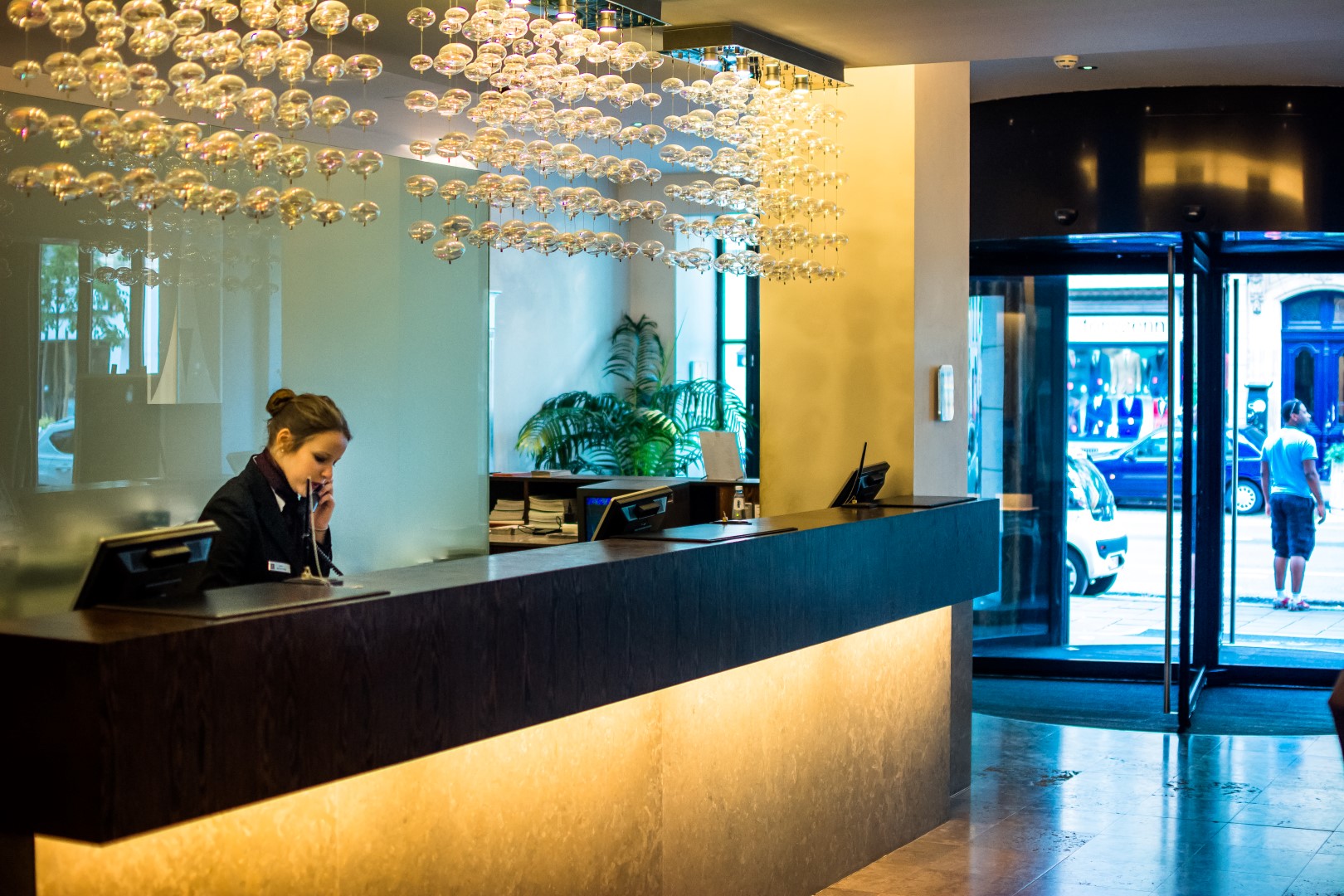 Photo 1 of 2
Brussels, Belgium
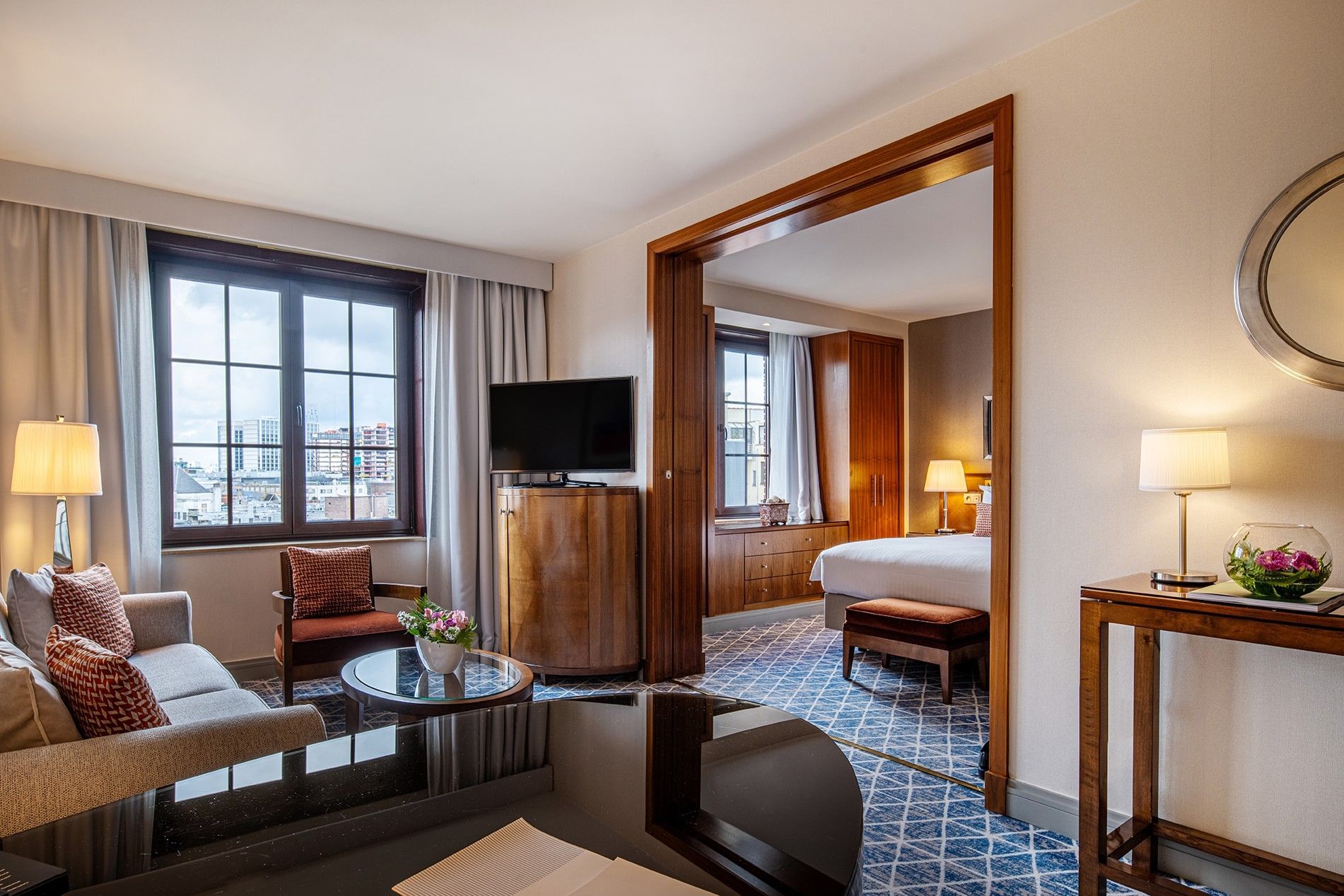 Photo 1 of 6
Brussels, Belgium
Brussels, Belgium
Brussels, Belgium
Brussels, Belgium
Brussels, Belgium
Brussels, Belgium
Brussels, Belgium
Brussels, Belgium
Brussels, Belgium
Brussels, Belgium
 Photo 1 of 3
Brussels, Belgium
Brussels, Belgium
Brussels, Belgium
Brussels, Belgium
Brussels, Belgium
Brussels, Belgium
Brussels, Belgium
Brussels, Belgium
Brussels, Belgium
Brussels, Belgium
Brussels, Belgium
Brussels, Belgium